
The Final Shootout: Victory & Controversy
Welcome to issue #09 of Referees Playbook. Each week, I send one short essay that helps sports fans understand the view of a referee.
The Story of my Local Final
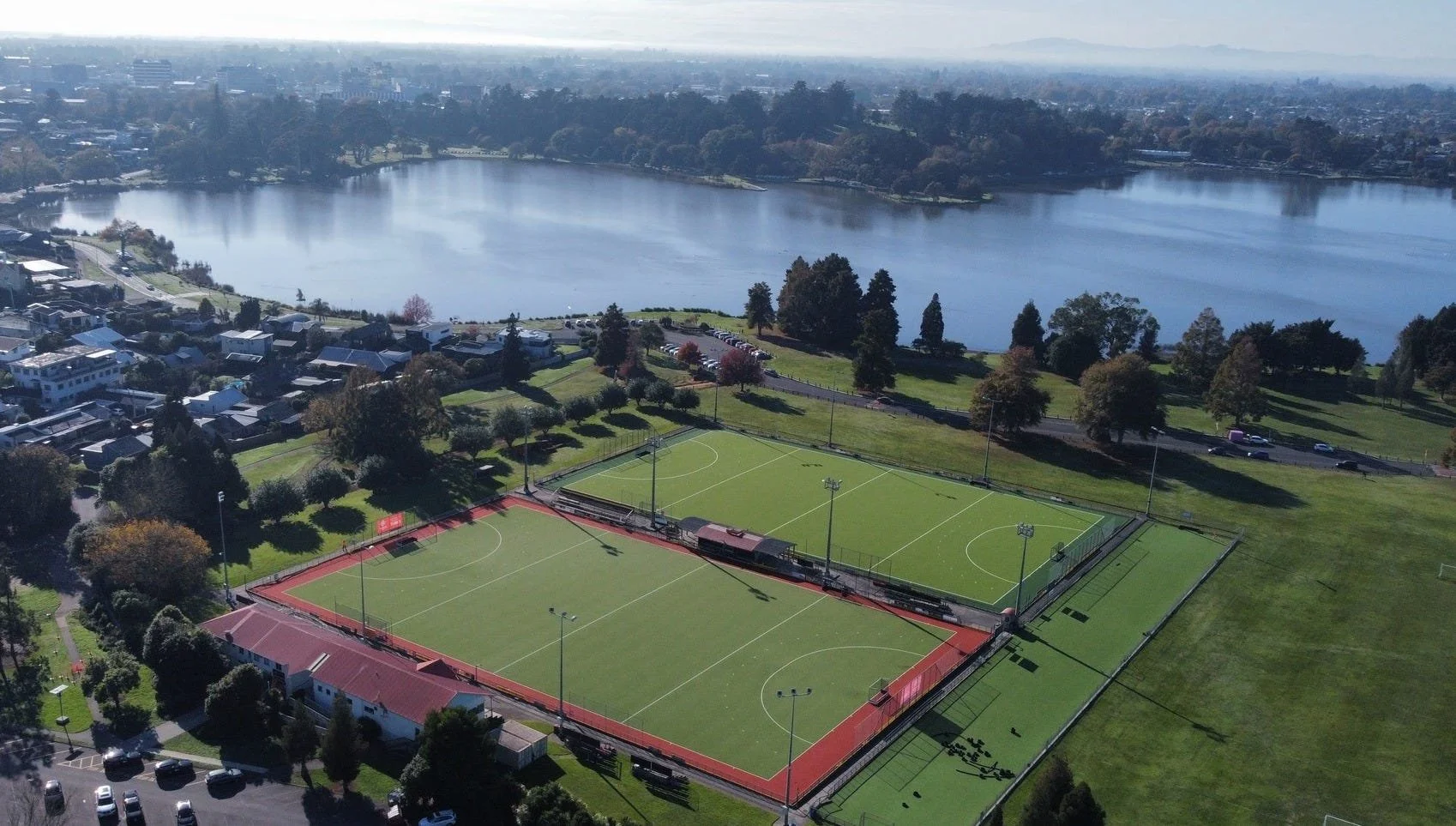
It was our regional final match, played on the #1 pitch at my local ground, in front of the best crowd seen all season. A fine but chilly late afternoon game as the sun set.
The home team and defending champions in yellow, vs the travelling away team in blue, who have lost this exact final match-up 3 years in a row.
The match ends in a 1-1 draw, which means one thing in hockey - A penalty shootout.
The way no one wants to lose.
And for the referees, a high-risk environment where one decision could heavily impact, or even single handily change the outcome of the match.
How Big Games are Supposed to End
Let’s be clear: Sports referees don’t want to be the talking point at the end of a match. Nor a single referee’s decision.
Put simply, we want the players and teams to sort it out for themselves. To create and capitalise on opportunities built through skilful play and strategy to win matches.
It’s fair to say that even if a decision is obvious at the end of a big match, if making it is likely to change the outcome, it’s a decision the ref would rather not have to make.
But we aren’t provided this luxury. At the end of the day, it’s what we’re there to do.
The Shoot Out in my Local Final
Regular time is up, and you could cut the tension with a knife. Everyone knows the away team has lost in this scenario before as the temperature drops.
The home quickly gets to 2-1 up. Then the away import steps up. He’s taken down in the physical challenge by the keeper, and the umpire blows a penalty stroke.
A big call, but the correct decision… Then comes the drama.
The international guest player shapes to flick a powerful penalty shot. It goes in – he celebrates.
But the umpire disallows the shot, saying the ball was hit (a foul).
You can picture the following 30 seconds.
Raw Emotion and Anger Erupt!
The coach and international erupt in anger! They approach and challenge the referee, but both officials agree that it was a foul. The decision remains.
Now you can script the next sequence:
The home team steps up to take their third shot.
They score.
The game is over.
The controversial decision has directly impacted the outcome of the match. The away team believes it was an unfair and unjust. The bus ride home focuses on the call that changed the game - the team never forgets.
In their eyes, they were robbed!
The Weight of the Whistle
In the heat of a final, where winning and losing hang in the balance, the referee’s role is both critical and unenviable.
The shootout reminded me that:
Sport is not just about executing skills and tactics
But also about decisions that can shape outcomes.
When the referee disallowed the away team’s goal, it wasn’t just a call – It was a moment that defined the match, the season, the story they’d carry home.
The raw emotion, the erupting anger, the air of controversy, the sense of justice or injustice.
The referee must understand and accept that even when correct, not every call will be celebrated or appreciated. And this, we carry home with us after every match.
My Advice on Tackling Game-Changing Calls
Embrace Pressure
Referees, like leaders in any field, must make calls that may not please everyone.
Accept the Human Element
No decision is immune to scrutiny, especially in high-pressure moments. Expect reactions.
Fairness Over Popularity
The umpire’s call to disallow the shot was correct, even if unpopular.
We must prioritise fairness over the desire to avoid conflict.